

Invigorating nature
Our Ethos: Managed Wilding
In 2020 we started a plan we call ‘Managed Wilding’ over the entire 4,000 acres of the Hepple Estate. This looks to build the base of the food-chain; the water, soil carbon and fungal mycorrhiza to drive a wave of life further up, starting with insects. Unlike traditional conservation that tends to support particular key species or habitats, we are trying to broaden the opportunities for overall ecosystem health from the bottom up.
Our regime uses ‘pulsed’ organic grazing, naturalistic tree and shrub planting, and wetland creation. We are smudging hard edges to increase interconnectivity and removing fences to allow animals to express natural herd behaviour. We believe natural processes are best to reinvigorate the whole ecosystem, but the “managed” of Managed Wilding is key - we intervene, gently, where our expert advisers suggest doing so.
We have a very ambitious goal, and things do not always go smoothly, but what is absolutely certain is that without the combined farming, gamekeeping and ecological skills and experience of the home team achieving our aims would be impossible. We are keen to hear alternative views, in fact we encourage it internally, so if you have a strong view, let us know. We may not follow all advice, but we always listen, particularly when it is put gently!

Our future landscape
Upland woodland emerging from natural regeneration, notably Birch, Rowan, Willow, Hawthorn, Hazel, Alder, Holly, Scots pine and of course Juniper.
Expanding wetlands supporting more insect life.
Greater densities of scrub and woodland birds.
More complex and more abundant fungi.
A more abundant, more surprising ecosystem, able to absorb the shocks coming from a changing climate.
Managed Wilding
We believe natural processes rebuild ecosystems best, so our interventions are only made where we have ecosystem “voids” - in species and structures that our expert advisors have helped us identify.
As part of this work we are proud to be an active member of Rewilding Britain - the UK’s leading network of sites who are aiming to restore nature across the country.

Removed over 10km of internal fencing
Removed the Blackface sheep flock
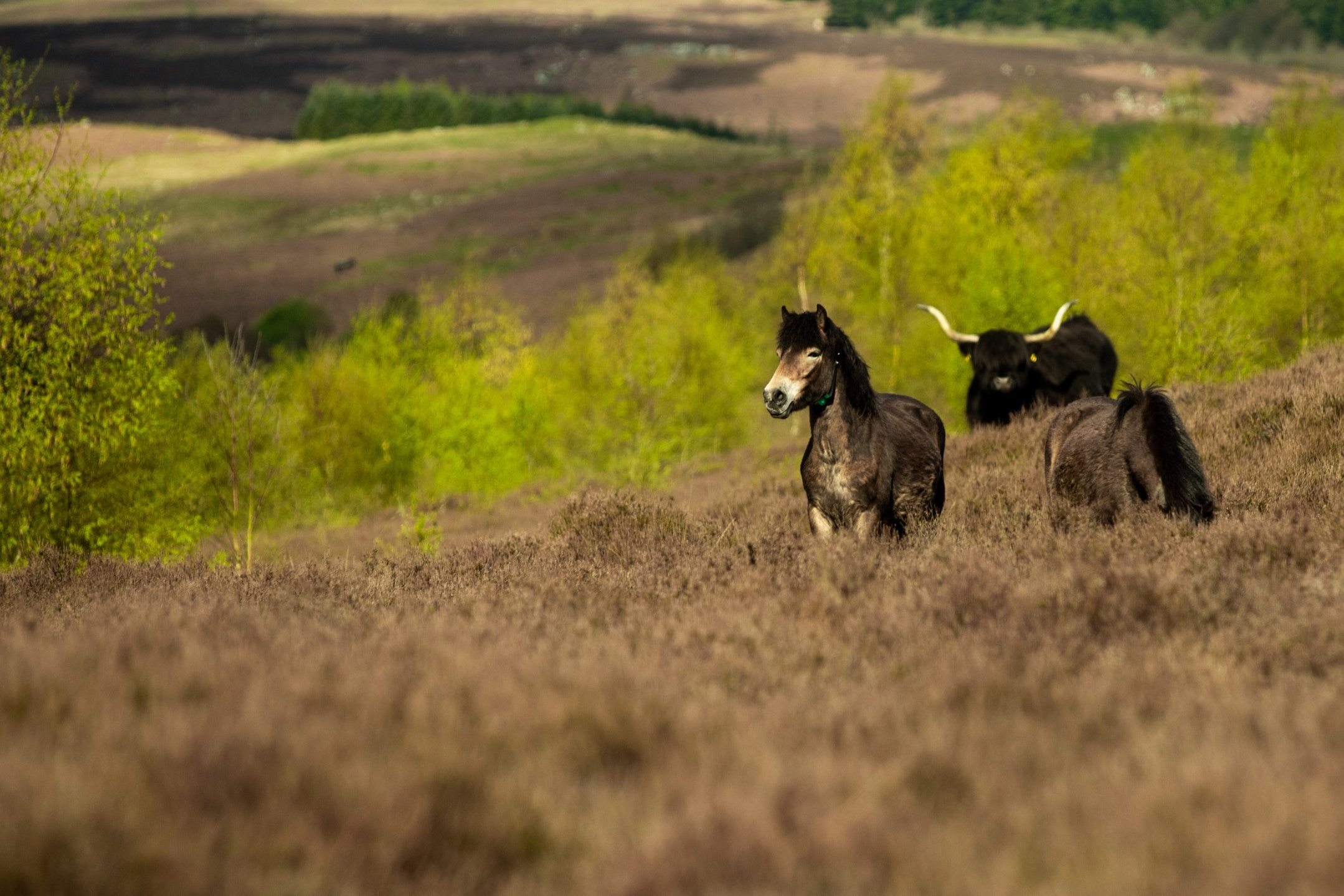
Introduced pedigree Longhorns, Exmoor Ponies and Highland cattle
Converted to organic, certified by the Soil Association
Pasture Fed Accredited by Pasture for Life
Created four wetland systems over a total of 7 acres.
Undertaken over 400 acres of peat restoration including on Boddle Moss, one of Northumberland’s deepest peat bogs.
Planted saplings to build native woodland and scrub species (including home-grown juniper).
Created significant amounts of vital dead wood habitat when restructuring plantations to create mixed native woodlands
Changes to date

The revival of microscopic life, and reintegration on the landscape level gives the structure for a range of new habitats and species. It gives space for the spontaneous revival of animal and plant life like creeping willow, Celandine, orange-tipped butterflies and a range of dragonflies, our icon, all that we find now just five years into our new regime. As the range of our habitats improve we would expect to add new “lost” species into the mix. We will be guided by our ecology advisory group in how and when to do so.
Following this system creates carbon with biodiversity. It leads to biodiversity that is sustainable and self-supporting. It means we work with nature, rather than against it in the production of our farmed products. And it we hope it gives visitors and residents a sense of connection with a wild ecosystem that is thrumming with health.
The Hepple Ethic
We believe ecological renewal starts at each end of the size spectrum: microscopic and landscape.
At the microscopic level, we focus on water quality by eliminating imported chemicals, slowing run-off and holding water in scrapes and ponds. For soil quality we look to ‘pulsed’, organic grazing to build carbon, rare nutrients and biochemical life.
We are seeing this working in an invigoration of our fungal and insect life and a wider range of vegetation. These are the building blocks for life further down the food chain.
At the landscape level, we are working to reduce or remove the hard man-made partitions of past land use, allowing free-flowing grazing. We are introducing scattered areas of scrub and wood plantations in species like willow, juniper, blackthorn and aspen. We have established a number of wetland areas on the lower ground and increased the water retained on the moor by blocking the ‘grips’ or ditches that were cut into the peat in the 1970s and 1980s. We have also radically changed the grazing away from sheep towards a range of herbivores including Exmoor ponies and pedigree Highland and Longhorn cattle. From 2024 we introduced a small number of Mangalitza pigs.
From 2026 we intend to launch a new programme of planting. Natural regeneration has been astonishing when it comes to birch, alder, rowan and creeping willow, but we want to ramp up our propagation programme, especially in juniper.


Monitoring Partners
Bats and Birds: BTO, bioaccoustics with the help of Rewilding Britain
Vegetation: Natural England, Haycock & Jay
Soil Carbon: Agricarbon
Deer: Altana Europe
Full ecosystem system, including eDNA of soils, insects and mammals: Newcastle University
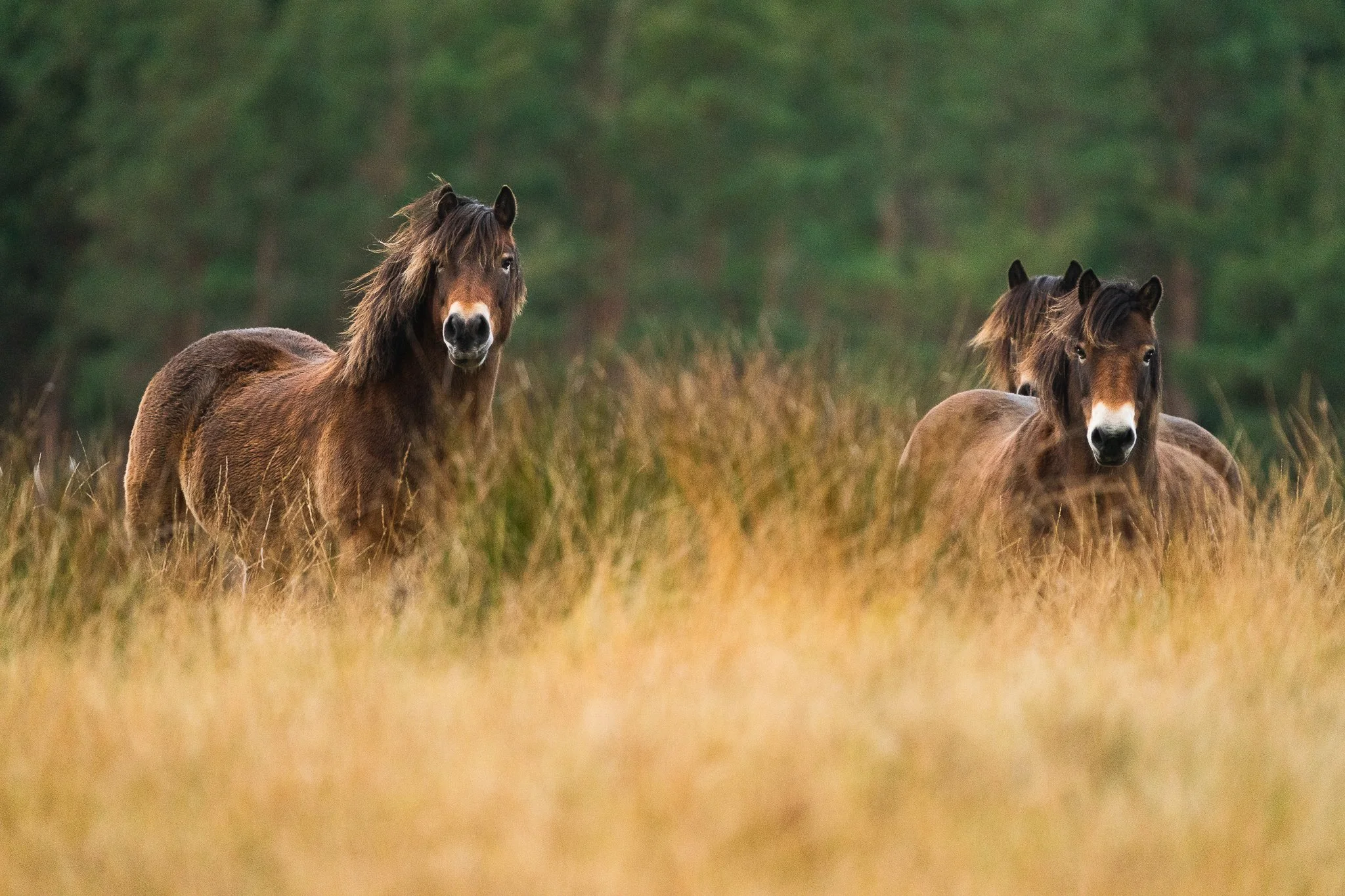
“Wild thing, you make my heart sing”
Reg Presley, of the Troggs. 1965